By Adagbo Onoja
Fuel subsidy is emerging as the defining subject matter of the lacklustre 2027 presidential campaign. Atiku Abubakar, former Vice-president and presidential candidate of the ADC, remains categorically committed to restoring state subsidy on fuel. Bola Tinubu, the incumbent president who dismantled the subsidy in 2023, unfolding in its aftermath a misery level unseen in Nigerian history, is insisting on the sustainability of that policy line. Those two standpoints have sunk into Nigeria.
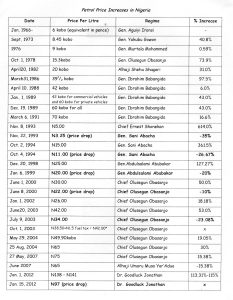
This should be an NLC handiwork years back but ‘Intervention’ is not sure
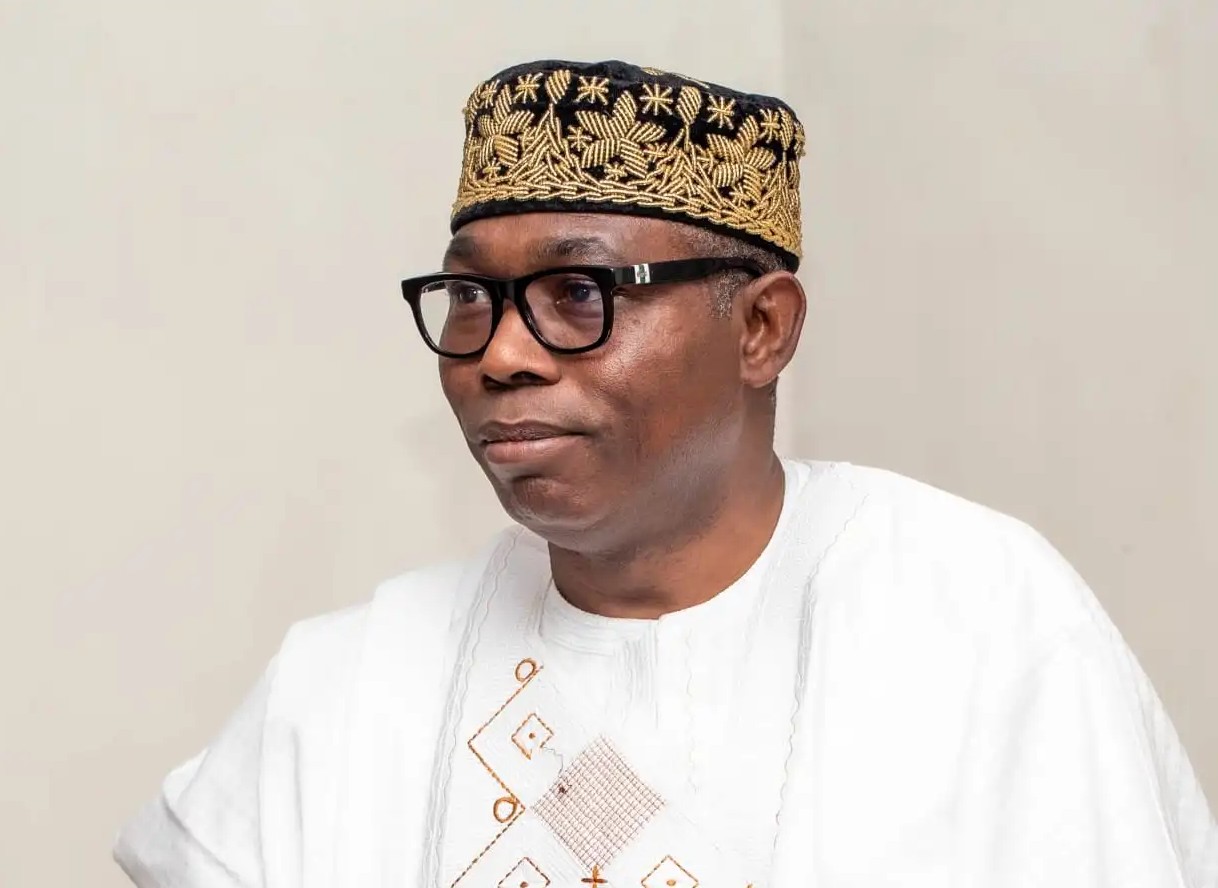
The one that hasn’t, going by Facebook posting by social media warriors, is the position of Prince Adewole Adebayo of the Social Democratic Party (SDP) who is not committing to restoration of the subsidy regime but to running an energy regime which keeps the price of a litre of petrol at 200 Naira. This, he promises, is achievable within a year. Although he is, understandably, not getting the media attention as much as Atiku’s own pronouncement, there’s something in that: a systematic dismantling of the current price level. There’s a sense in which he could be interpreted as speaking to gradual dismantling of neoliberalism as well, a topic he has though not risked any explosive standpoint right away. But neither Atiku has made any such statement too. In all cases, it seems the magnitude of the catastrophe the eventual removal of the subsidy occasioned has frightened the power elite to rethink it but without linking such with neoliberalism, the discourse within which the subsidy debate is located.
He is talking about energy plan, not just petrol. And his promise of reducing prices stretches beyond petrol to cooking gas and aviation fuel. To that he adds installing anything between 11 to 15 kilowatts of solar power on every Nigerian’s roof within 11 months of assuming office if elected in 2027”.
On this, he disclosed having experimented a variant in his hometown, training some 2,000 people on solar, an area he is also a manufacturer in both solar panels and lithium battery. The only one of the components he hasn’t got the technological capability is the inverter which he buys.
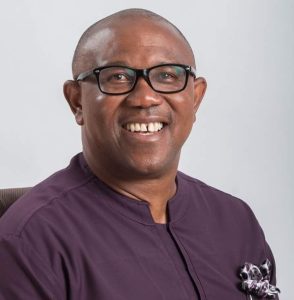
Yet to be heard loud and clear on subsidy
To show that he is not wind bagging, he names countries (China, Turkey, India) with which Nigeria could partner in terms of solar-panel factories. In other words, he conceives of energy as a complex point of departure into energy itself but also employment
In what looks like a shot at Atiku’s policy framework, the lawyer prince says it doesn’t make sense to talk about restoring the subsidy after abolishing it, after the consequences had taken effect. Hence his statements such as “Anyone now who is saying that he wants to restore the subsidy doesn’t know what he’s talking about,”
Stretching this analogy in one instance, he compared removing subsidy to awarding a scholarship without building a university where the scholarship would have been tenable. There, he said subsidy is not the petrol but the cash differential between the buying and selling prices.
For him, the answer is in increased domestic refining, the only point he makes implicit reference to neoliberalism because that is why domestic refining is ousted through a connivance between foreign interests and local agents to make it impossible. Can he stand up to them? Atiku appears to be saying he will. This is an inference from when he said earlier on that he will sell NNPC and so on “even if they will kill me”.
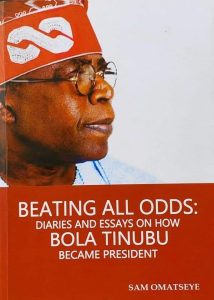
Confronting subsidy backlash
So, why hasn’t this got the halo attention as yet since reception matters in meaning making? Could it be that people haven’t understood him? Could it be that he is not being as dramatic as Atiku? Could it be that people have actually understood him and are merely waiting for the election day to put him in power? Or, is it the case that the national audience doesn’t think too much about such a deal after four years of an ordeal? And, lastly, could it be that the non-halo reception measures his national popularity score at the moment, subsidy or no subsidy?
Intervention would, as it did in the case of Atiku, dismiss doubts about him being able to accomplish that since he alone wouldn’t determine whether he is faithful or not to his promise. A lot will depend on the balance of forces. No president will be that powerful for everything to depend upon his or her will. Tinubu who would seem to have had his way in forcing down removal of subsidy is clearly facing rejection in the impending elections, something the administration knows, considering its current manoeuvres and exertions.
In other words, what happens on and about any policy will depend on what the civil society does, what the guardians of orthodoxy such as the IMF and the World Bank do, what the local and metropolitan media as well as the emerging business or investor class in Nigeria do and so on. So, whether he will be faithful or not is a challenge beyond himself although his will to power will be important there.
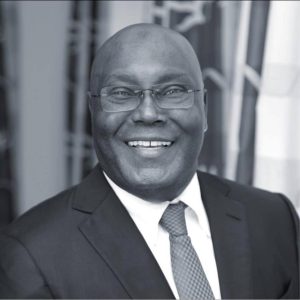
Atiku has restated his determination to restore state subsidy on fuel
The key issue would appear to be that Nigerians are hungry for something much clearer and more dramatic on the fuel subsidy matter, with particular reference to the neoliberal imposition. That imposition is wrecking or has wrecked the country almost to a point of no return. The country as a pressure cooker is here and something bold and more complete is required.
Otherwise, the SDP candidate ought to enjoy halo status among the presidential contestants. He is not rhetorically challenged. He looks organised, has calmness about him, speaks very well and he is categorical enough. He is not agitated nor not apologetic and has not been associated with negativities in the media.
Generally, he appears to be his own man. In Nigeria, being one’s own man could be a problem. One is supposed to be somebody’s boy. Otherwise, one starts hearing negative impressions spread all over the place about oneself sooner or later. Himself, Atiku Abubakar and Tinubu lack that ‘advantage’ in the current list. The three are their own men. Atiku Abubakar has been disowned by his own boss, Chief Olusegun Obasanjo. Tinubu has always been his own man and now Prince Adewole Adebayo.
Peter Obi is favoured in this regard in that he has godfathers, translating to both electoral assets and huge neoliberal liabilities. Why he appears to believe that he needs the neoliberal flag of approval when he has certain advantages is what escapes comprehension.
Why shouldn’t there be an early debate between Adebayo and Atiku Abubakar to clarify what the fundamental differences between the two standpoints are? That is provided the debate is moderated by resource persons who understand the linkages between the key concepts involved, not just any anchorman or woman.