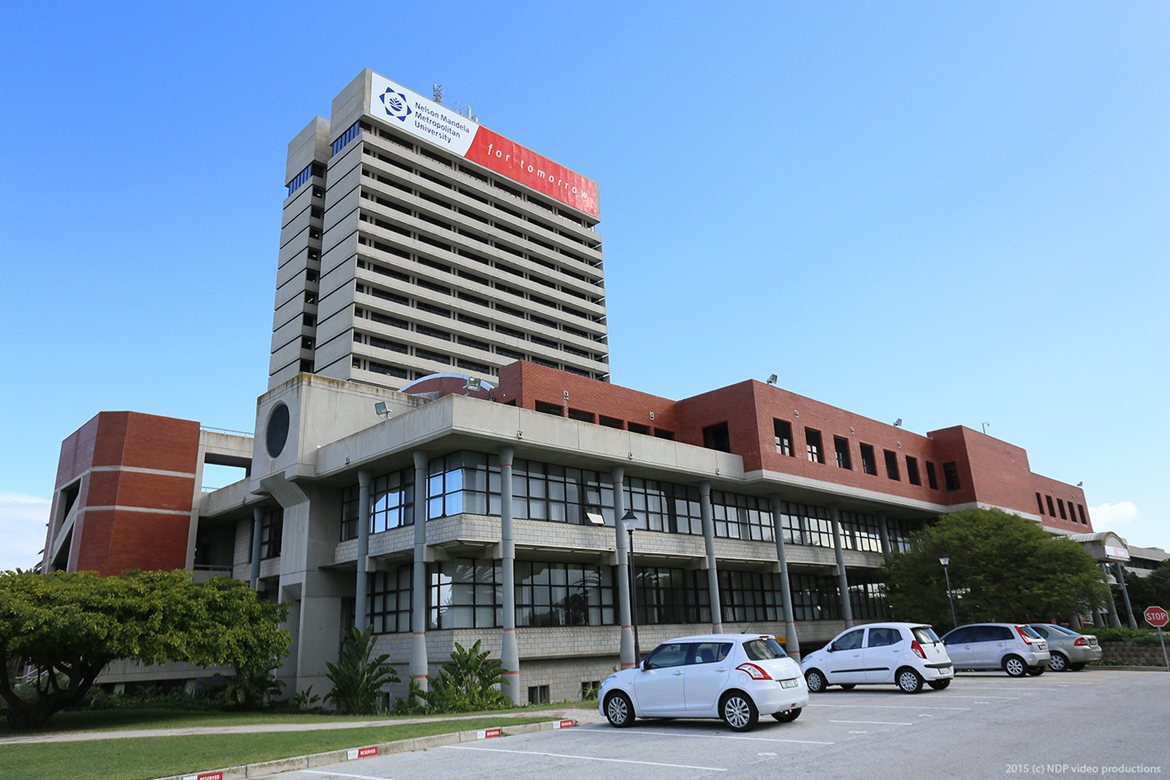
This piece from University World News explains what a South African university is up to through a new module
By Muki Moeng PhD
Social consciousness is integral to education, since this is where cognitive abilities and attitudes to life and reality are largely developed. Over and above the knowledge students gain at university, they need to develop as conscious human beings who understand who they are, where they come from, what is reality, what is untruth, what is freedom, and what is important in life.
In response to this, Nelson Mandela University’s Social Consciousness and Sustainable Futures (SCSF) module, was launched in July 2025, and is now a compulsory, credit-bearing part of the curriculum for all students in the faculties of humanities, education and law. From 2027, the same will apply to all seven faculties at the university, notably, the faculties of science, health sciences, business and economic sciences and engineering, the built environment and technology.
It is a weekly semester module over six months and all our students will complete the module before they graduate. The importance of SCSF is that students are empowered to respond thoughtfully to the society and world we live in as part of their development.
Our university motto is ‘change the world’ – it is all about being in the service of society. This is essential in South Africa and the world today, particularly where we find ourselves geopolitically.
What is our aim?
Our aim is to develop students who care about their fellow human beings, the natural environment and economy, and become agents of change, hope and social justice so that we can look forward to sustainable futures and a society that offers a better life for all.
By the time our students graduate, in addition to being accomplished professionals, we need them to be responsible, proactive citizens in their communities. We want them to be critical thinkers who don’t simply accept the status quo; they interrogate it and disrupt it for the good where necessary.
How did the module develop?
The SCSF module developed out of social justice in the form of the #FeesMustFall movement in 2015 that echoed throughout all the institutions across South Africa. It was rooted in making sure that all deserving students could access higher education and that we decolonise the curriculum to include African knowledge and a diversity of theories and views from all over the world.
All the themes in the SCSF module reflect this, facilitated by Professor Babalwa Magoqwana, the project manager, a sociologist and the director of the Centre for Women and Gender Studies at Nelson Mandela University (NMU). She was key to the conceptualisation and implementation of the module.
Several key themes are included in module
The students reflect on the following eight themes and are marked and assessed on each one by their high-calibre presenters.
The meaning of Mandela
This is presented by Professor Nomalanga Mkhize, a historian and the director of the School of Governmental and Social Sciences. Given that it is delivered at the only university in the world permitted to carry Nelson Mandela’s name, this section of the module looks at who Mandela the man was and how NMU aligns to his legacy while creating its own legacy as a university based on its values, including diversity, equality, social justice, Ubuntu excellence and stewardship, which are very important.
On the making of gender and sexuality
This section is presented by the holder of the National Research Foundation SARChI Chair in African Feminist imaginations, Professor Pumla Gqola. This module helps students to think about their socially and culturally embedded biases and to shift thinking about gender power, gender-based violence and women’s contributions in the world.
Science for society
Professor Azwinndini Muronga is the presenter. He is a theoretical physicist and the deputy vice-chancellor of research, innovation and internationalisation. He introduces students to the history and origin of science, and how it links with Africa. Students discuss how to take science to society, how to make it meaningful and relatable and how science assists us to sustain society and ensure sustainable futures.
Technology and its relationship to Ubuntu and dignity
Professor Darelle van Greunen, the director of the Centre for Community Technologies and an ICT and AI specialist, presents this section. She focuses on inclusive digitalisation to make sure everyone is included in the AI era. Students discuss local and global challenges of technology when it comes to equity and access to knowledge.
Constitutionalism and human rights
This section is presented by sitting judge Professor Avinash Govindjee, who was formerly the executive dean of the faculty of law. Students explore human rights and how the South African Constitution empowers citizens to act on these rights. It also explores what freedom and justice mean, according to the Constitution.
Health, wellness and progress
Professor Zukiswa Zingela, a psychiatrist and executive dean of the faculty of health sciences, is the presenter. The psychiatrist and this section explore topics such as depression, anxiety and suicidal thoughts, and the importance of leading a healthy lifestyle, as well as how to protect, love and respect ourselves and others. HIV/Aids in relation to escalating social trends, such as ‘blessers’, are themes that could be discussed.
Economy and youth employability
Lee Anne Vasi is from the Business School where she is the senior manager of business development. Students discuss global issues such as trade, and what it means if the dollar and rand strengthen or weaken; what the graduate employment options are; and how students can participate in economic development, including participating in the university’s entrepreneurship programmes, which are open to all students as well as township and community members.
Humanising pedagogy
Mukhtar Raban, a lecturer in the department of linguistics and applied linguistics in the faculty of humanities, presents an educational philosophy and approach that explores how to engage with your fellow human beings, colleagues, partners and collaborators. Through humanising educational practices, the institutions aim to empower students to value their own agency and the knowledge they bring to the institution, to equip them with the courage to express themselves and to discuss diverse ideas and to agree and disagree without this detracting from their humanness.
Graduates who care about the world
Overall, our goal for the SCSF module is that, when our students graduate and become alumni, they stand out so that when someone talks to a graduate of Nelson Mandela University, they should see and hear someone who thinks differently, someone with compassion, someone who cares about others and the world around them.
Dr Muki Moeng is the Deputy Vice-Chancellor for Learning and Teaching at Nelson Mandela University. The university is located in the coastal city of Gqeberha, in the Eastern Cape, South Africa, with another campus in George.