By Adagbo Onoja
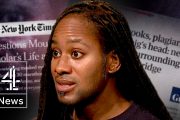
The global storm over Prof Jason Arday is rapidly fading but his demise will continue for a long time to be a subject of unending reflections. While it lasted, every stage was a progression from the sad to the sadder and then the saddest: his death. But the Jason Arday moment will remain a puzzling moment in power relations for a long time. The manifest dimension is racism but underpinning it is unequal power relations at the material, cultural, agentian and symbolic levels.
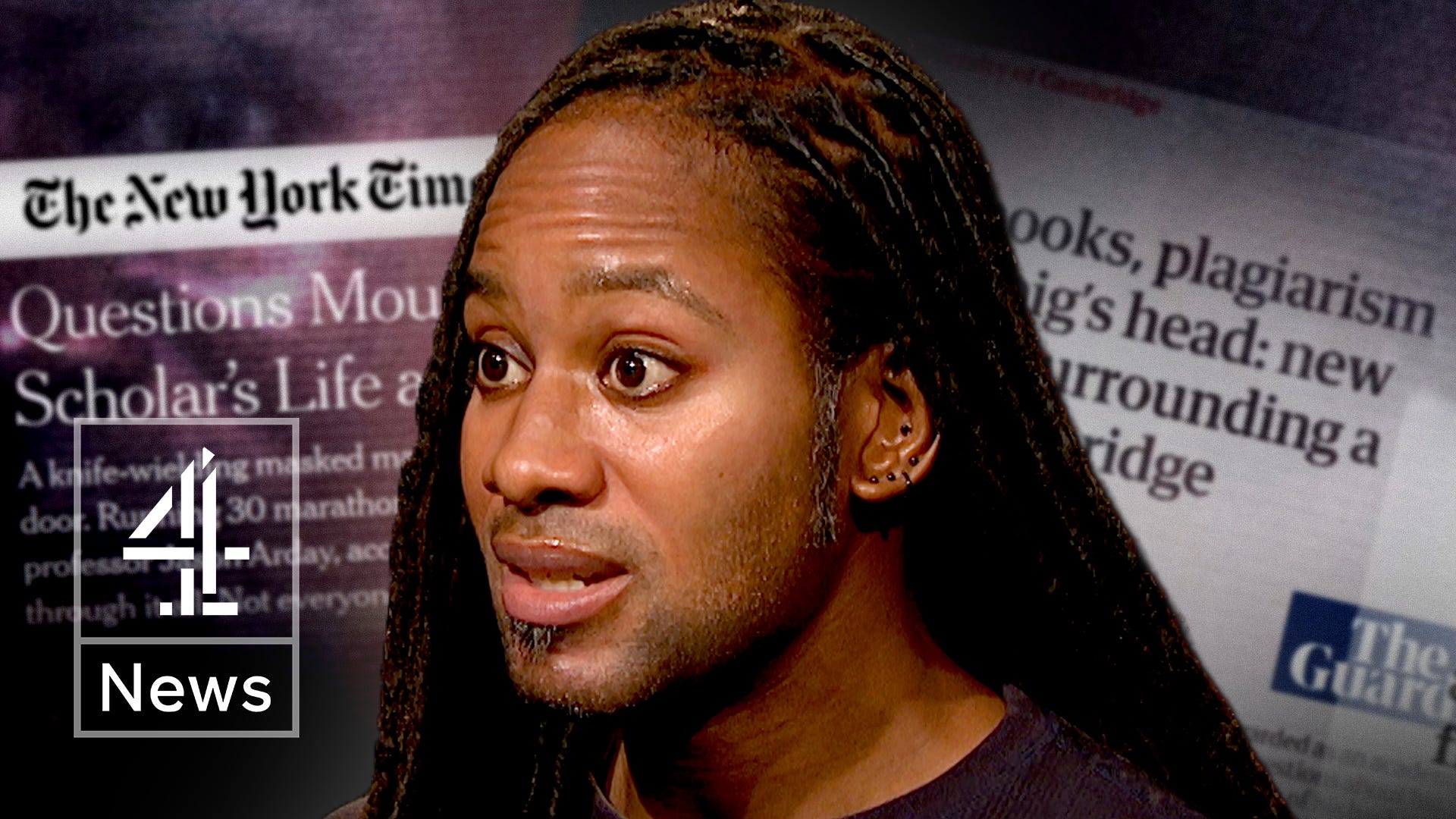
In other words, when those who posed as guardians of merit and propriety on the allegation of plagiarism against Arday could not exercise the patience to wait for an investigation, they are speaking power to powerlessness. If an American, a Chinese or Japanese professor were involved, they would have waited because there would be more factors to consider. It is not the case when it is a black Briton because there is no black state power to anticipate its reaction, no mega industrial power to think through what its reaction may be and no black Aljazeera or New York Times or BBC to second guess. Plagiarism doesn’t take eternity to investigate and establish or dismiss but thorough investigation may be worth it only if there will be a price to pay when otherwise.
In this case, one form of power was conspicuously missing: if a Mandela were around and reminded everyone quickly enough that something akin to trial by ordeal was going on, Arday might not have perished. He might have found that power of moral authority most healing. Alas, there was none. No Nobelist, either and no philosopher, First Lady or transnational advocacy groups!
In the absence of such a power of voice, an agency with moral authority and conditioning power of voice, Arday who suffered from autism could not handle the searchlight as would have been expected of someone who passed through the UK PhD process because of the UK PhD’s high continental philosophy content. Continental philosophy provides anyone with some mastery of its cannons to withstand such shock, at least until credible investigation has been conducted.
Let no one read into the foregone an endorsement of plagiarism. No. Plagiarism is dangerous because it can quickly destroy the knowledge industry. The most minute indication of it should be investigated and severely punished. But the problematic nature of truth calls for investigation that can pass the test of thoroughness, something beyond positivist superficialities and media categories. This is what critics of the reportage of Arday’s case are harping on, not excusing plagiarism.
The tragedy of the Arday moment is him missing just by a few days or a week the counter-movement against the unfair searchlight on him. When the counter-movement came, it was multi-racial and global, reminiscent of the BLM-instigated global reaction to Floyd George in 2020. The resulting global super stardom would have been the only adequate compensation for the injustice of ‘trial by ordeal’ Arday went through, the trial which transformed an allegation of plagiarism to a guilty verdict even before any serious investigation into the case. It has been such that attention has shifted permanently from the allegation to the persecution.
It is all very interesting and good that many are paying for their complicity in that today, whether their complicity is through acts of omission and/or commission. Key British institutions are paying a price, spanning Cambridge University, the British media, the taken-for-granted elevatedness of academia in that country and a few named individuals believed to have acted from the racist impulse. They are all being scrutinised. They will all bounce back, but the dislocation is what could have been avoided.
The only good news in the whole sad and saddening story is that the family is standing firm regarding going ahead with his memoir. With the memoir, his traducers have only succeeded in killing the body but not the spirit, meaning that Arday would still be a voice well heard in the conversation about how the world goes on, certainly to the chagrin of his traducers.
The author is an Editorial Executive with Intervention