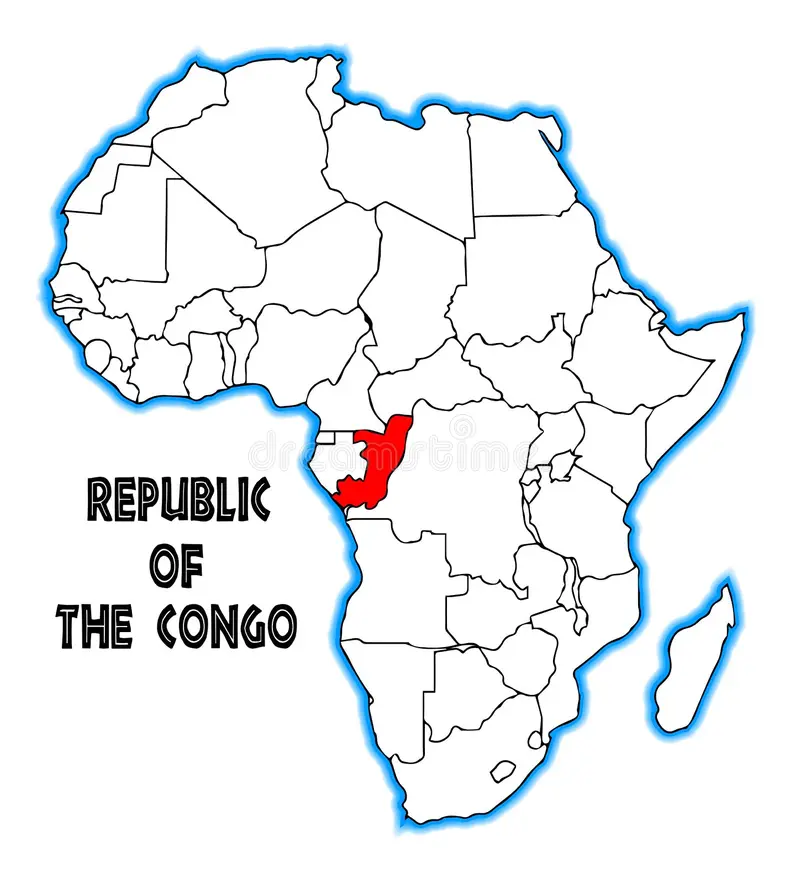
Overwhelmed by their own internal problems, Nigerians have been unable to pay much attention to the renewal of tenure for one of Africa’s symbols of the phenomenon of prolonged hold on power. By a Reuter report echoed by Business Insider Africa last week, Africa’s 3rd longest-serving leader, Congo Republic’s Denis Sassou Nguesso, did it again in the latest election, retaining his 42-year hold as president.
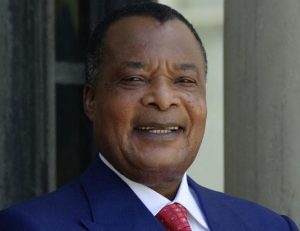
Winner o o oh!
The journey to what happened at the March 17th, 2026 elections began much earlier in a 2015 constitutional amendment which removed term limits, thereby preparing the grounds for President Sassou to extend his presidency.
At this election, he was so popular he won 94.82 % of the votes cast. In any case, opposition parties boycotted the election because they didn’t think there was any iota of transparency. If Business Insider Africa is to be believed, there were election day arrests, opposition restrictions, delayed polling, and a nationwide internet blackout.
Only what the paper describes as six little-known challengers were slugging it out with the incumbent in a race described as tightly managed. “Most opposition parties opted not to field candidates, citing a lack of transparency, while prominent figures such as General Jean-Marie Michel Mokoko and Andre Okombi Salissa have spent nearly a decade in detention”
Quoting Reuters, the paper said human rights activists reported arrests, suspensions of opposition groups, and close monitoring of public gatherings ahead of the vote. The election day was marked by late openings at polling stations and a nationwide internet blackout.
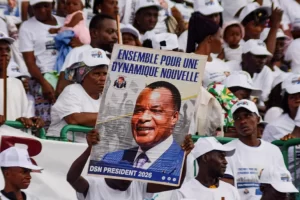 But the turn out, according to State television report, was at 84.65%, though observers noted many stations, especially in Brazzaville, had short or no lines. Sassou’s closest challenger, Mabio Mavoungou Zinga, a retired customs inspector and former MP, received only 1.48% of the vote, said Business Insider in the March 18th, 2026 report.
The paper’s account shows President Denis Sassou Nguesso as an expert in the game of unproductive longevity in power across Africa. He first became president of the Congo Republic in 1979. After 13 years in office, he lost out during a multi-party elections but only to return in the aftermath of the civil war in 1999 when his forces prevailed, meaning that he alone has spent 42 years presiding over the oil producing central African republic. That puts him in number three of that club peopled by Teodoro Obiang Nguema Mbasogo in Equatorial Guinea (who has spent over 45 years) and Paul Biya in Cameroon (who has spent 44 years on the seat).
What sustains this phenomenon? Insider reports analysts to attribute the pattern to weak institutional checks, limited opposition, and the personalization of power, which allows leaders to modify constitutions and dominate political landscapes.
The paradox is that “While Congo’s oil-dependent economy has stabilized after a decade-long downturn, over half of its population lives in poverty. Basic services like electricity, running water, and healthcare remain limited, and Sassou’s government faces ongoing corruption investigations abroad involving family-held assets”