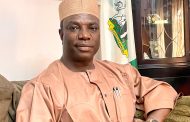
Comrade Sanusi Maikudi, FNIM
Nigeria stands today in a season of gathering darkness, marked by economic hardship, pervasive insecurity, social fragmentation, and a deepening crisis of trust in public institutions. For millions of citizens, daily life has become a strenuous exercise in survival as inflation erodes incomes, opportunities narrow, and fear intrudes upon ordinary routines. In such moments, nations are not rescued by grand proclamations or the comforting illusion that hardship will resolve itself. They are steadied when ordinary citizens choose to light small but resolute candles of hope through conscience, courage, and civic duty.
This essay is therefore an invitation, not to despair or rage, but to awakened patriotism: a call urging Nigerians to rise, assume responsibility, and collectively rescue their fatherland from the brink of prolonged decline.
The challenges confronting the country are neither abstract nor distant. Persistent inflation has hollowed out purchasing power and placed basic necessities beyond the reach of many households. Unemployment and underemployment, especially among the youth, have generated frustration and a corrosive sense of exclusion from the national project. Insecurity—manifesting in banditry, kidnapping, communal violence, and terrorism—has disrupted livelihoods, displaced communities, and weakened confidence in the future.
These pressures are compounded by declining public services, widening inequality, fiscal strain, environmental stress, and a growing perception that public institutions are either overwhelmed or disconnected from the lived realities of citizens.
Beyond these material hardships lie deeper structural and moral fractures. Ethnic and religious polarisation increasingly dominate public discourse, often inflamed by irresponsible politics and an unregulated information space. Corruption, both systemic and everyday, continues to distort priorities and drain scarce resources, while weak accountability deepens public cynicism.
In such an atmosphere, resignation can appear rational and apathy tempting. Yet history offers a stern warning: when citizens withdraw into silence and survivalism, national crises harden into chronic decline.
It is against this sobering background that the call to civic duty must be heard. This is not an appeal to blind nationalism or emotional outbursts, but a reasoned summons to responsible citizenship. When institutions strain and leadership falters, the fate of the nation increasingly depends on the moral awakening and disciplined engagement of its people. Nigeria’s predicament demands that citizens rediscover their agency and capacity not as spectators of decay, but as stakeholders in rescue and renewal. Government alone cannot save the nation; only a vigilant, principled, and active citizenry can.
Moments of national crisis are defining tests of citizenship. They strip patriotism of slogans and ceremonies and demand instead substance, sacrifice, and responsibility. In such moments, the true measure of a nation is revealed not only in the actions of those who govern, but in the conduct, conscience, and collective resolve of those who are governed.
A crisis is never merely an external shock; it is also a mirror, reflecting the strengths and weaknesses embedded in a society’s institutions, values, and civic culture.
At the heart of patriotic duty in times of crisis lies active civic engagement. Silence, apathy, and withdrawal are luxuries a troubled nation cannot afford. Citizens are called to deploy their voices responsibly—through voting, lawful advocacy, public dialogue, and peaceful protest—to influence decisions that shape their collective destiny. Such engagement must rise above impulsive anger, ethnic loyalty, or partisan bitterness. Civic participation becomes patriotic only when it is informed, principled, and anchored in the common good. In moments of national strain, the duty of the citizen is not merely to oppose or applaud power, but to supervise it.
Equally central is the defence of the rule of law and justice. Crises often tempt societies toward shortcuts—mob justice, authoritarian impulses, or selective application of the law. Patriotic citizens must resist these temptations. Upholding constitutional order, due process, and institutional integrity is not a luxury of stable times; it is the very foundation of sustainable stability.
A nation that sacrifices justice for expediency may secure temporary calm, but it ultimately mortgages its future.
Economic responsibility also becomes a civic obligation in periods of distress. Productivity, integrity, and innovation are often overlooked forms of patriotism. Citizens who work diligently, reject corruption, pay taxes honestly, and support legitimate enterprise contribute as meaningfully to national recovery as those who speak from podiums. Conversely, economic sabotage—through profiteering, hoarding, fraud, or deliberate non-compliance—deepens hardship and corrodes social trust.
No less vital is the preservation of social cohesion. National crises sharpen fault lines of ethnicity, religion, region, and class. In such moments, words can heal or inflame, and narratives can unite or destroy. Patriotic citizens are therefore called to exercise restraint, empathy, and bridge-building. They must resist the weaponisation of identity and the seduction of hate, recognising that no group ultimately prospers in a fractured nation. Unity in diversity is not a sentimental slogan; it is a strategic necessity for survival.
Education and civic literacy assume heightened importance in times of uncertainty. Crises create fertile ground for misinformation, conspiracy theories, and intellectual complacency. An informed citizenry—capable of critical thinking and historical perspective—is better equipped to make sound judgments and resist manipulation. The patriotic duty to learn, to teach, and to enlighten thus becomes an act of national defence.
Closely related is the ethical use of media and information. In moments of fear and uncertainty, narratives shape emotions and actions. Citizens who consume information critically, share responsibly, and support credible journalism help stabilise the public sphere. Those who amplify rumours, half-truths, or incendiary content, even unintentionally, contribute to national fragility. Information, like power, carries moral responsibility.
National crises also call citizens back to their communities. Recovery is rarely engineered solely from capital cities or policy documents; it begins at the grassroots. Voluntarism, mutual aid, community development, and local peacebuilding are tangible expressions of patriotism. When citizens take responsibility for their immediate environments—schools, markets, neighbourhoods, and places of worship—they strengthen the social fabric that holds the nation together.
Underlying all these duties is the question of moral character. Crises expose ethical deficits as much as structural ones. Patriotism, therefore, must be lived before it is proclaimed. Integrity in private life, discipline in public conduct, and the courage to reject corruption—even when it appears normalised—are quiet but powerful acts of national service. A nation’s moral health is ultimately the sum of its citizens’ daily choices.
Security consciousness and peacebuilding further underscore the shared nature of national survival. While security agencies have a primary role, citizens contribute by remaining vigilant, rejecting extremism, cooperating with lawful authorities, and promoting early conflict resolution. Peace is not merely the absence of violence; it is the presence of justice, trust, and dialogue.
Ultimately, the hardships confronting Nigeria today constitute a solemn invitation to light a candle of hope. They demand more than lamentation or anger; they require awakened citizenship. True patriotism is not episodic or theatrical. It is steady, disciplined, and anchored in the conviction that the fatherland is worth rescuing.
In answering this call, patriotic citizens do more than help the nation endure its present trials; they lay the foundations for renewal. For it is in the crucible of crisis that societies rediscover their values, reclaim their agency, and transform collective hardship into a shared resolve to build a more just, secure, and humane nation.
The author, an entrepreneur, politician and an active citizen, is of the Kaduna based Network for Justice