The choice of a Friday evening suggests that it was not intended to be one of these hugely attended events as Abuja is still a relatively deserted city on Friday evenings. In spite of the scary security situation around the country, people still travel because, for majority of those who have to, cheap but more qualitative garri and tubers from the country side could be the borderline between starving and stuffing.
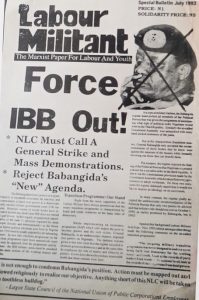
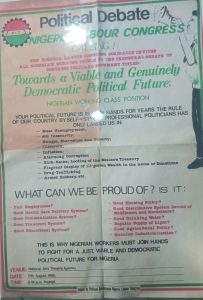
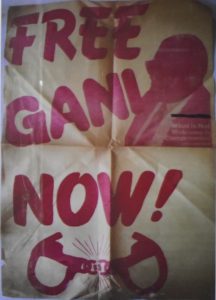 The choice of July 31st, 2026 for unveiling ‘Archiving the Nigerian Left’’ project must have been thus an informed choice. The project, which has been in gestation, was unveiled with graphic snippets of history on the move: ‘Who is afraid of Wilmot’, ‘Abacha must go’, ‘Free Gani Now’, ‘Force IBB Out’, ‘A New Beginning for Nigeria’, ‘Towards a viable and genuinely democratic future for Nigeria’ and many more.
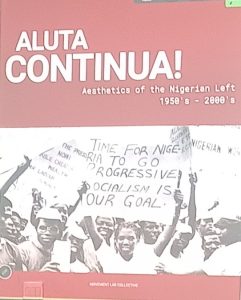
Dr Sa’eed Hussein who has coordinated the project so far explained the project has digitized over 100, 000 pages, launched a public website, hosted exhibition in Lagos, Jos, Calabar and Abuja, supported scholarship for academics aside from producing Aluta Continua, “a visual book that brings together the most iconic posters, pamphlets, letters and ephemera from Nigeria’s radical history.”
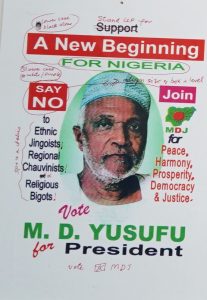
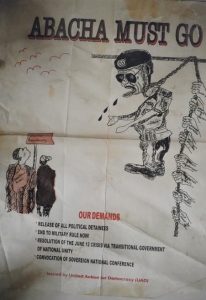 He had started by tracing the project to concerns over the future of the artefacts of the struggle as well as textual wealth of leading radical scholars and activists. So, assembling the stuff from the individuals and/or their families across the country formed the starting point of the digital reinscription process.
Friday, July 31st event, said he, marks the close of that phase of the project and the launch of the book that distils the essence. But he raised issues touching on emergent spaces of popular culture such as reading groups, galleria, cafes, particular social media platforms “where a hyper-literate, very online, urban youth are forging new forms of community and expression” and the radical potential of “these counter-cultural ‘third spaces’ for a Left politics he assesses to have been austere, academic and inaccessible.
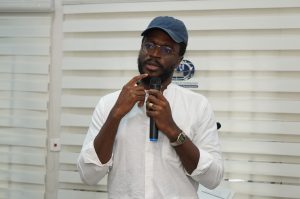
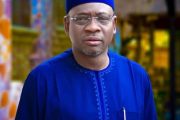
Dr Hussein
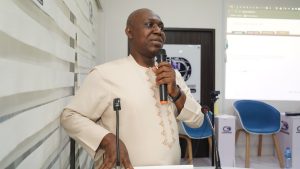
Cde Odah
Dr Hussein locates the potential precisely in how the emergent space could “make radical politics legible to a generation that thinks in terms of memes, playlists and digital networks” but without reducing the struggle to entertainment in doing so. Again, he speaks in his own lexicon: “how do we carry the spirit of Aluta into a future defined by the internet, by new forms of organising, and by a generation that inherits both the victories and the unfinished business of the Nigerian Left?”
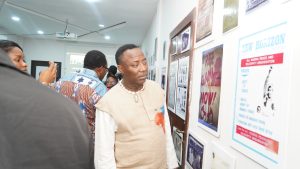
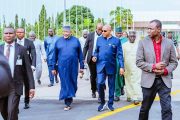
Presidential aspirant, Omoyele Sowore and, backing camera, Cde Owei Lakemfa
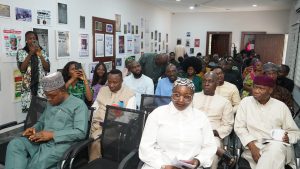
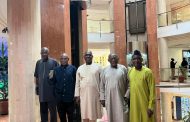
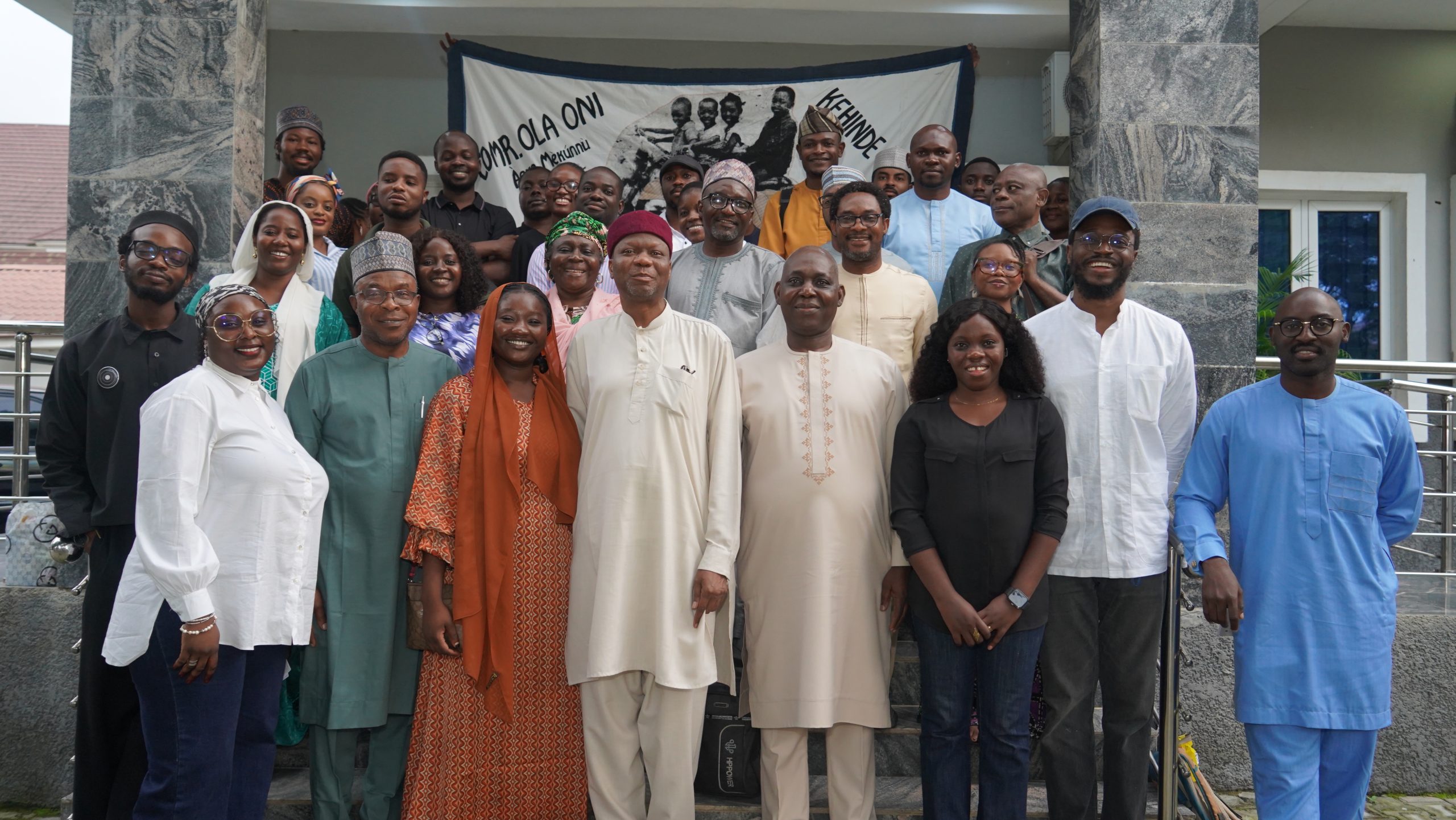
Faces at the event, with Dir of CDD (in green)
His poser was the subject of a panel discussion during which revealing contentions and questions emerged, both from older activists and those caught in the Gen Z category. It is not clear whether it was out of alarm or something else that Cde John Odah dismissed the generational gulf when he rose to speak. Progress is not about age, he said, expressing the hope that, somehow, Nigeria would get out of the situation it found itself.
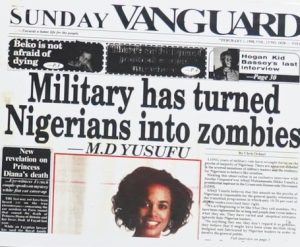
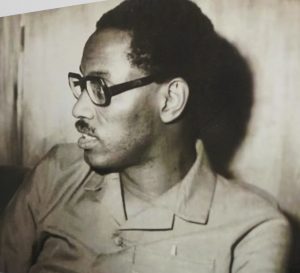
YBU
Perhaps, Odah is correct. Ideally, popular culture has a counter-hegemonic orientation and no one should have been worrying about the question Dr. Hussein posed. His question is, however, pointed in a polity such as Nigeria where the devastation of university education has gone too far.
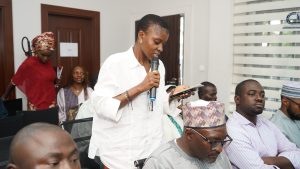
Researcher with interesting question
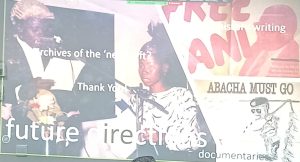
Ene Obi being sworn-in as president of UNIJOS SUG in the early 1990s
Although a young girl who introduced herself simply as a researcher asked a very revealing question in a grammar of concepts that showed solid education, some of the questions were alarming in terms of the concern with the basic academic or intellectual capacity of a typical Gen Z for critical engagement with radical democratic struggle – the ideological, ethical and organisational or political boundaries without which an activist may not be qualitatively different from his or her Others. Mercifully, the panel had a non-Gen Z component in Cde Hauwa Mustapha who offered valuable insights on the transition.
 So, Dr Hussein’s question is something for everyone to worry about, not only in relation to the generational transition but the very survival of Nigeria. After all, is it not today’s poorly produced graduates who are going into the federal and state civil service, Police, armed forces, NGOs, media, diplomacy, private enterprises and even business?
However it plays out, Friday, July 31st, 2026 was a small but significant event at which the Nigerian Left turned a new leaf (or is it corner?) in its radical democratic politics: It has commenced writing the struggle by rearranging and, by implication, reinscribing the textual moments of the struggle in the past in a way that can reproduce the present/future. That is why it is called writing the struggle.
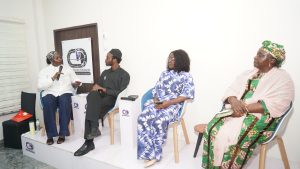
Panelists all
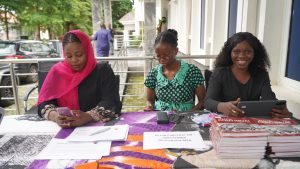
Custodians of ‘Aluta Continua’
Popular culture (literature, the internet, film, newspapers, television and so on) has been both the backbone but also the burying ground of imperialism, producing special reports, photographs, television visuals and films that have helped push imperialist agenda but also ruptured hegemonic scripts, from Vietnam to date. That must be what Dr Hussein had in mind when he drew attention to the promise and tension in the fusion of Leftism with ‘çoolness’. But an organised Left can register a breakthrough, especially in this case where memory and history will be fusing into a brew that can sway a national audience that has gone through so much in recent history.