
By Chris Kwaja
Context
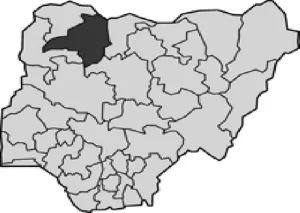
Banditry and kidnapping have become major security challenges in Nigeria’s North-West, particularly in Zamfara State. Upon assumption in office, May 2023, Governor Dauda Lawal adopted a firm policy against negotiating with or paying ransom to bandits. Governor Lawal placed security at the center of his administration’s six-point agenda.
Unlike previous attempts that involved negotiations with armed groups, his administration declared that it would neither negotiate with nor pay ransom to bandits. The government argued that paying ransom only strengthens criminal networks and encourages further kidnappings. This position has remained a central element of the administration’s security strategy.
While the policy seeks to weaken the financial capacity of criminal groups and discourage kidnapping for profit, its success depends on effective military operations, intelligence gathering, community participation, and federal-state collaboration.
Major Components of the Governor Dauda Lawal’s Security Policy
Governor Lawal’s security policy combines community-based security initiatives, collaboration with the federal government, the armed force and other security agencies, institutional reforms, intelligence gathering, and socioeconomic interventions aimed at addressing both the immediate and underlying causes of insecurity.
- Establishment of the Community Protection Guards (CPG): One of the administration’s most notable initiatives is the establishment of the Zamfara State Community Protection Guards (CPG). The guards were recruited, trained, equipped, and deployed across the state’s fourteen local government areas to support conventional security agencies. The CPG operates under a legal framework and works alongside the military, police, and other security agencies rather than replacing them. Their familiarity with local terrain, language, and community dynamics enhances intelligence gathering and rapid response to emerging threats.
- Strengthening Collaboration with Federal Security Agencies: Governor Lawal has consistently emphasized inter-agency cooperation. His administration has provided operational vehicles, communication equipment, protective gear, and logistical support to the Nigerian Army, Police, Department of State Services (DSS), and other security agencies operating within the state.
- Creation of the Zamfara State Security Trust Fund: The administration established a Security Trust Fund to mobilize additional financial resources for security operations. The fund is designed to complement government spending by attracting support from the private sector, development partners, and other stakeholders for the procurement of security equipment and operational logistics.
- Intelligence-Led Security Strategy: Rather than relying solely on military force, the administration promotes intelligence-driven operations. Community participation, local information networks, and coordination among security agencies have become central elements of security planning. This approach aims to dismantle criminal networks through accurate intelligence instead of broad, reactive operations.
- Regional and Federal Collaboration: Governor Lawal has repeatedly advocated stronger cooperation among northwestern states, recognizing that criminal groups operate across state boundaries. His administration has also engaged the Federal Government to request additional military personnel, improved logistics, and enhanced air support for security operations.
- Addressing the Root Causes of Insecurity: The administration recognizes that poverty, unemployment, and poor educational opportunities contribute to insecurity. Consequently, investments in agriculture, education, healthcare, youth empowerment, and infrastructure are presented as long-term strategies to reduce criminal recruitment and strengthen community resilience.
 Understanding the Non-Payment of Ransom Policy
The non-payment of ransom policy is based on the principle that governments should not finance criminal organizations directly or indirectly. According to Governor Lawal’s administration, ransom payments provide bandits with financial resources to purchase weapons, recruit members, and expand their criminal operations.
Instead of negotiations, the administration of Dauda Lawal emphasizes strengthening intelligence gathering; supporting security agencies with logistics; improving surveillance and tracking technology; enhancing collaboration among security agencies; and protecting communities through coordinated security operations.
Several reasons explain the adoption of the policy of non-payment of ransom to bandits, by the Government of Zamfara State. It has to do with:
(i)Discouraging Kidnapping for Profit: Kidnapping has become a lucrative criminal enterprise because victims or their families often pay ransom. Eliminating ransom payments seeks to remove the financial incentive behind abductions.
(2) Weakening Bandits Financially: Bandit groups rely heavily on ransom payments to acquire sophisticated weapons, motorcycles, communication equipment, and supplies. Preventing these payments is intended to reduce their operational capacity.
(3) Promoting the Rule of Law: The government believes that negotiating with criminals undermines the authority of the state and encourages lawlessness. A firm policy reinforces the principle that criminality should not be rewarded.
(4) Long-Term Security: Rather than providing temporary solutions through negotiations, the administration argues that stronger law enforcement and sustained security operations offer a more durable path to peace.
Governor Lawal’s approach reflects international security principles that discourage financing criminal organizations. From a policy perspective, refusing ransom payments may reduce the economic attractiveness of kidnapping over time. However, the effectiveness of this strategy depends on simultaneous investments in intelligence, rapid response capabilities, law enforcement, economic development, and community engagement.
Conclusion:
Governor Dauda Lawal’s policy of non-payment of ransom represents a significant shift in Zamfara State’s response to banditry. The policy seeks to eliminate the financial incentives that sustain kidnapping while reinforcing the authority of government and the rule of law. Although the approach presents humanitarian and operational challenges, it reflects a long-term strategy aimed at weakening criminal organizations rather than accommodating them. For sustainable success, the policy must remain part of a broader security framework that combines intelligence, law enforcement, economic development, and strong collaboration between state and federal institutions.
Although considerable challenges remain and insecurity has not been fully eliminated, the policy reflects a multidimensional strategy that recognizes security as both a law enforcement and development issue. Its long-term success will depend on sustained political commitment, continued federal support, effective implementation, and active participation from communities across Zamfara State.
The author is a public intellectual, with specialty in International Relations and Strategic Studies