It is the kind of activity International Relations was initially defined to be about: “a small number of big and important things” around the world, to use Kenneth Waltz’s expression. Not for them small or medium powers who only, along the line, managed to insert themselves as a subject matter for the discipline, leveraging on the logic of inclusivity and democratisation.
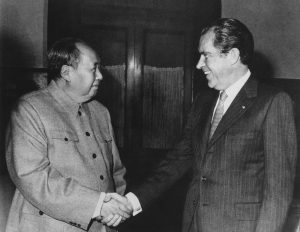
Nothing is ever that new!
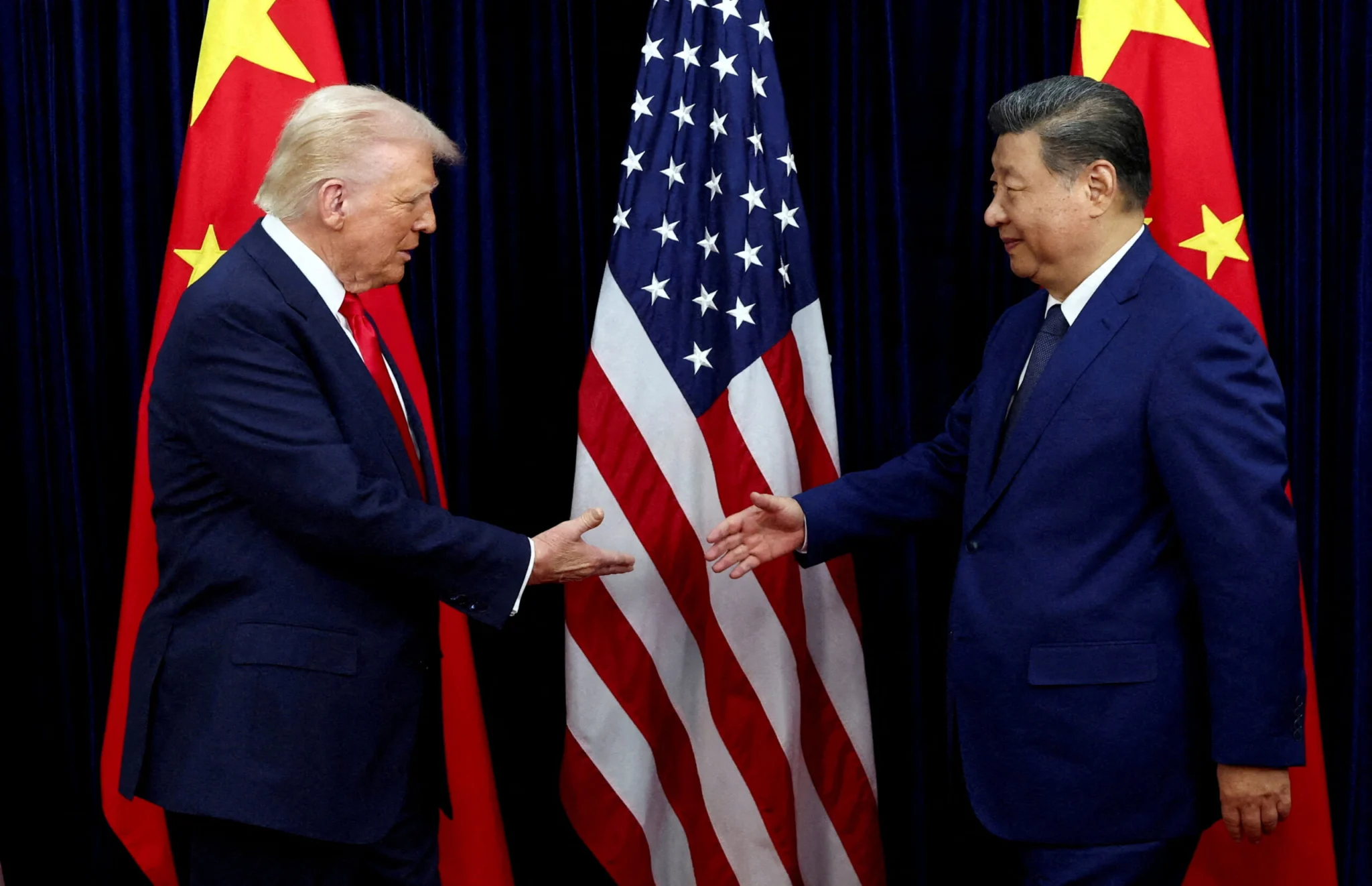
Otherwise, power measured in terms of ultimate military capability was what the discipline was supposed to be about, particularly the structural enmity of great powers and the big news it is when they plumage as Chinese president and his American counterpart would be doing, starting Wednesday, May 13th, 2026.
The assumption is that when they meet and talk, they break down barriers, thereby reducing the degree of misperception and the risk of thermonuclear confrontation, amongst others. So, a Xi-Trump meeting is inherently a big story in every newsroom, based on these assumptions of traditional International Relation.
Although critical International Relations has rubbished most of these assumptions, they still persist even though Realists now control less than 30 % of the discipline, if we take a casual screenshot of recent trends in PhD theses in the UK, France, US, China and the ‘Third World’ or in the main journals, including the journal International Security which is their forte. Younger Realists may be there but it seems hard to find more John Mearsheimer and Stephen Walt. Walt is hitting hard but Mearsheimer is aged though his level of analysis is still up, up there. .
Differential analytical tendencies notwithstanding, the meeting between Xi and Trump will dominate the news in every corner of the globe. Not when some people such as Jeffrey Sachs are suggesting that in ear-ear whispers between a Xi and a Trump lies the way out of some of the complications of contemporary international relations. It is an interesting suggestion, evocative of what our own late Prof Okello Oculi always said. He would say, don’t worry too much about theory because whatever theory you are talking about is actively being rewritten by some pipe smoking people behind the scenes through what they do or didn’t do.
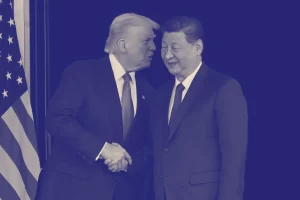
Can they whisper solutions to the many troubles of a system?
It is not clear why the Western media has declared Xi the winner of a meeting that has yet to take place. That is what can be observed in their headlines. Could that be an experientially derived inference or inference based a logocentric reasoning? That is, always thinking of winner/loser binary even when there can be nothing like winner without a loser and, in which case, winning is not the opposite of losing but one is the condition of possibility for the other.
That would appear to be the message of the meeting. It cannot be a question of a winner versus loser. It is possible and more beneficial for both sides to win because the balance of destructive capability each of them control can be put to an unpleasant use otherwise.
This meeting shows how liberal institutionalist scholars are scoring higher marks than their Realist counterpart in International Relations. In the debate between late Joseph Nye and John Mearsheimer over whether the US and China would clash or not as has always happened between rising and status quo powers. International Relations students call it the Thucydides’ trap. It never fails, insist Realists. It is no longer applicable, hits back liberal institutionalist scholars. Nye, for example, argued then that soft power has taken the place of the necessity for hard, coercive power and China and the US would not need to go to war as Germany and Britain did. Mearsheimer argues, amongst others that nothing would stop the two from clashing because there is no way China would not seek to push the US out of Asia the same thing the US did to contending powers in the Americas. Mearsheimer therefore dismissed the thesis of ‘Peaceful Rise’ because, great powers do not just seek to outclass peer contenders, it brings in the problem of the ‘other mind’ and the resulting security dilemma. Realists talk endlessly about the “other mind” as if anyone can make history casually the way s/he wants.
How far this meeting goes in tightening US-China relations will send everyone back to the discipline as much as to the field, the market/business, diplomacy, culture/civilisation about what the Great 2 (the name both China and the US refused to accept) are doing or will be doing to the world hereafter.