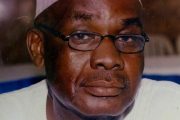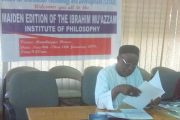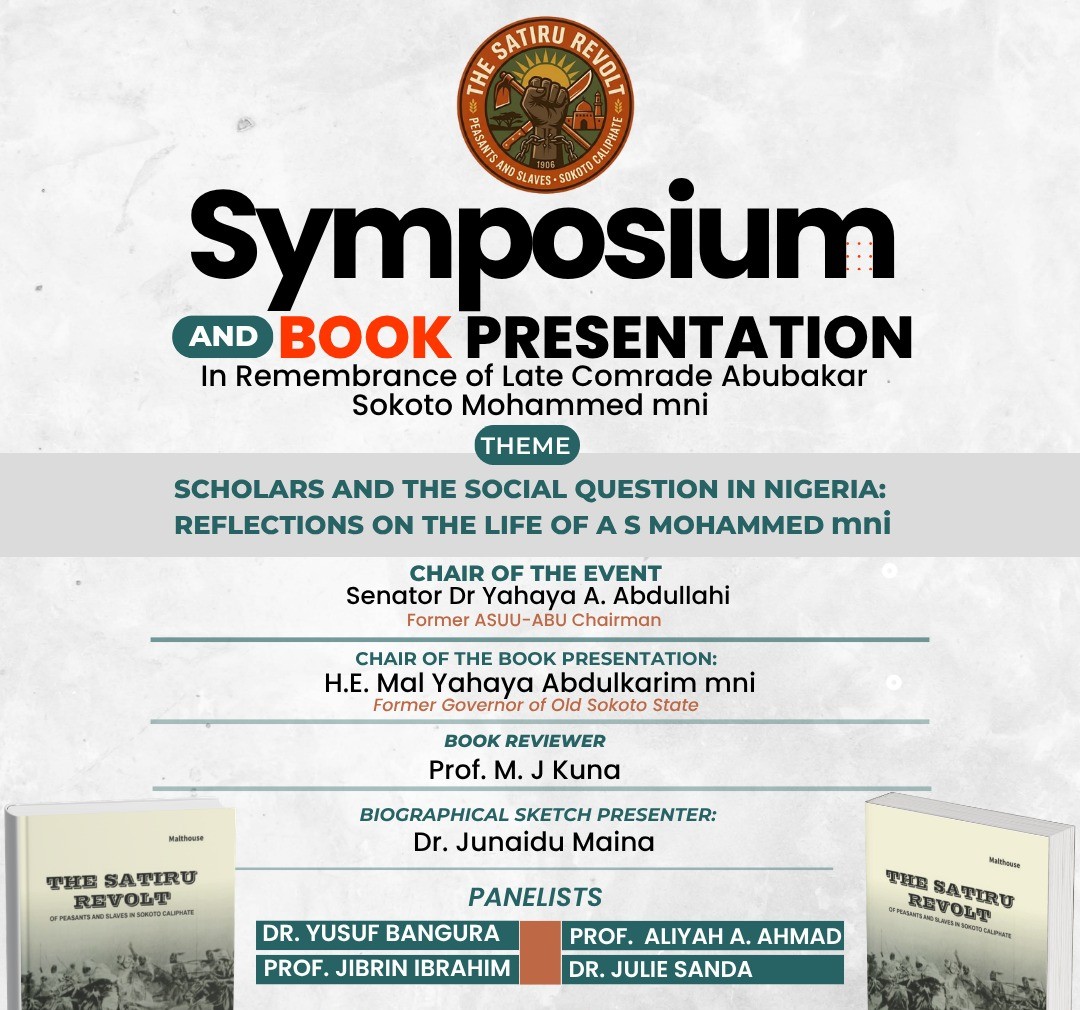
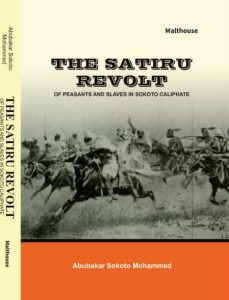
A huge firework of remembering (and forgetting) is expected Wednesday April 29th, 2026 when friends, colleagues, comrades and witnesses gather in Abuja, Nigeria to honour Cde Abubakar Sokoto Mohammed who died last December. The late comrade was a stalwart of, arguably, the most intense experiment in radical nationalist scholarship in Nigeria at the Ahmadu Bello University, Zaria from the mid-1970s to the late 1980s. The experiment had as its cornerstones anti-imperialism, radical nationalism and the case for socialism.
In most cases when the story of this experiment is put on the couch, the name of Bala Usman tends to assume its universal representation, including the Bala Brought Up (BBU) conceptualisation of students and scholars who collected around the late activist historian. But there were others with their own versions of BBU. Abubakar Sokoto Mohammed was one of such but the ‘silent’ version when compared with Dr. Bala Usman, for instance.
An enduring, interpretive footprint
The dynamics have worked out that not just that epistemic battlespace called ABU, Zaria but also the national university system and, to a great extent, Nigeria itself are all in what critics basically call Existential Intensive Care Unit (EICU). Nigeria is not only historically under-governed, it is now highly unsafe, highly dysfunctional, with highly impoverished population and generally rated to be punching very much below its weight in endowment and demography.
The remembering (and forgetting) session on Abubakar Sokoto Mohammed therefore promises be a very interesting session terms of what is said and unsaid, by whom and with what enunciative authority. A battery of key witnesses to that defunct experiment in epistemic contestation which played out in Zaria has been selected to partake in the session, among them Dr (Senator) Yahaya Abdullahi, the then leading theoretician of populist agrarian transformation. Paradoxically, Dr (Senator) Abdullahi has gone ‘quiet’ in recent years at a time both right and Left wing populism have been on the rise across the world. It will be interesting to hear him memorialise the departed at the event featuring presentation of a book as well as a symposium themed as “Scholars and the Social Question in Nigeria: Reflections on theLife of A.S Mohammed mni”
Intervention recalls a December 212, 2025 story on his death as follows:
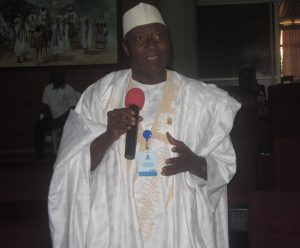
The late Dr Mohammed
He underwent a surgical operation about three weeks ago but he himself described it as a minor surgery. In any case, it was after the surgery that he addressed the Fanon Centenary held at the University of Jos from November 27th to 28th, 2025. So, from the perspective of non-medical eyes, he was as fit as a fiddle.
This background is the element of surprise in the news of his death yesterday (December 11th, 2025). Dr. Abubakar Sokoto Mohammed secured his place in the history of radical activism in Nigeria by being the trainer’s trainer. That was his specialty at the Department of Sociology at Ahmadu Bello University from where he graduated and was retained as an academic.
According to Comrade Sanusi Maikudi, an ex-ABU, Zaria contemporary activist voice in Nigeria, Abubakar Sokoto Mohammed was the chair of the Nigerian anti-Apartheid platform – Youth Solidarity on South Africa (YUSSAN) when he (Maikudi) entered the university in 1983.
It was from ABU, Zaria Comrade Sokoto moved to head the Publications section of the National Institute for Policy and Strategic Studies (NIPSS) at Kuru in Jos, Plateau State of Nigeria. He took over from the equally now late Rufai Ibrahim whose solidaristic ties with Alhaji Abdulkadir Balarabe Musa got him detained by the Buhari led military regime in 1984. From Kuru, Sokoto went back ‘home’ to Sokoto State but only to continue as a resource person by teaching at Usman Dan Fodio University, Sokoto.
If Comrade Abubakar Sokoto Mohammed were reading this, he would object to reference to Sokoto as home. For him and majority of the activists in his generation, the world was the homeland. In other words, he subscribed to and lived by the logic of proletarian internationalism.
The tragic dimension of his rich life must be that, in his life time, activists who passed through him and/or who claimed to also believe in proletarian internationalism have turned round to be defenders of ethnic and religious essentialism, fatally unable to explain the violent and criminal turn in global capitalism that seeks to make an ethno-regional and religious fanatic of every other Nigerian.
May Cde Abubakar Sokoto Mohammed find peace with God!