By Chris Kwaja
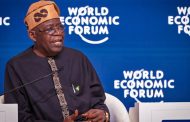
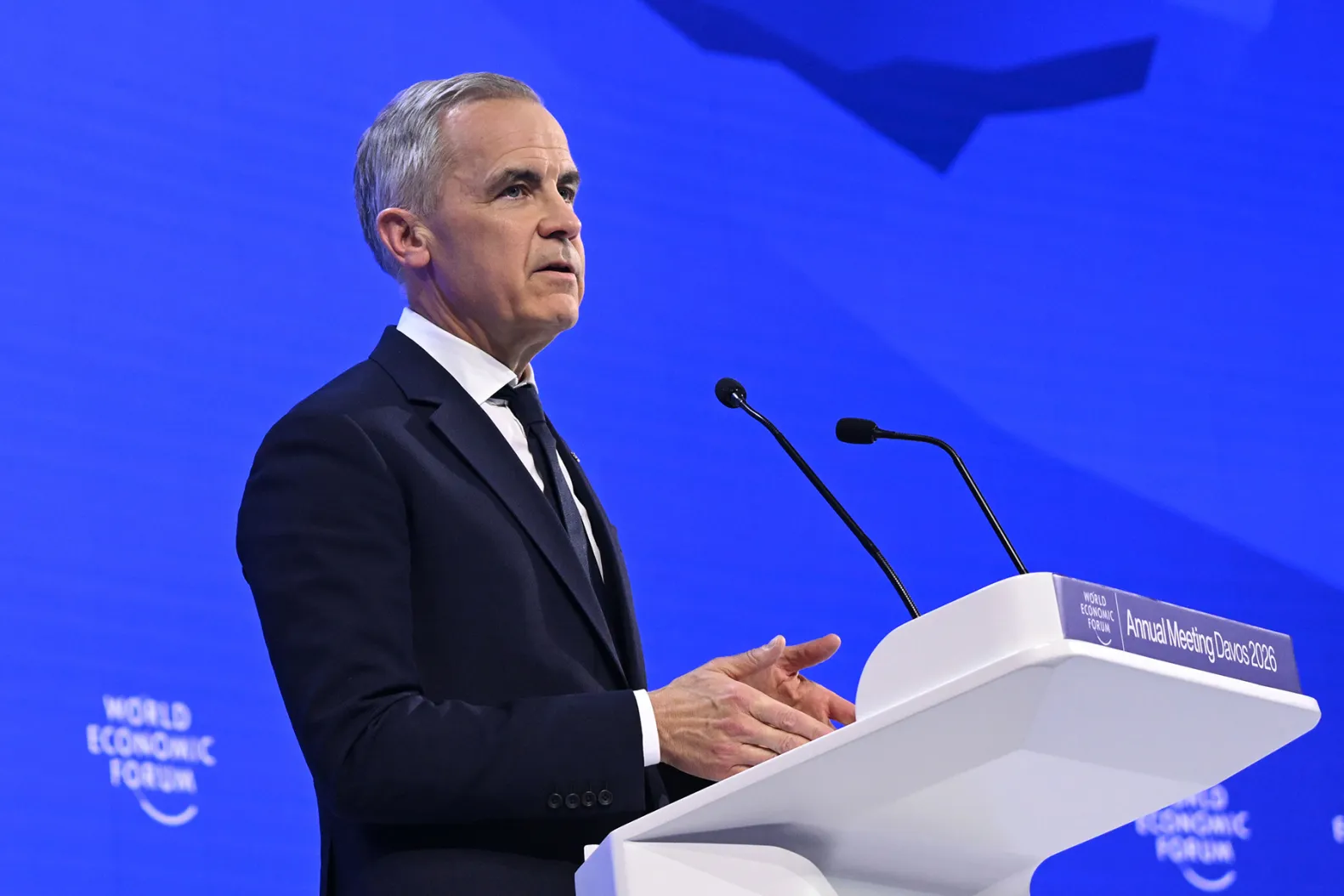
In what translates to beating a loud drum of caution at the World Economic Forum (WEF), in Davos, Switzerland, Prime Minister Mark Carney of Canada, became the rallying point for sanity, clarity and commitment to rescuing the global economy from an imminent rupture. For Prime Minister Mark, the middle powers as represented by Canada, Nigeria must unite to resist coercion by aggressive super powers, in their pursuit of power and interests.
In the midst of the rupturing of the global order, Canada should take the lead in mobilising a coalition of the willing countries towards articulating an agenda for a new global order that respects geography, sovereignty and multilateralism as the key parameters for prosperity and peace, rather than unilateralism or coercion.
As it stands, the weaponization of trade and aid, constitute the most visible threats to the current global order, which has huge implication for developing economies, at a time when most of them are more “on the menu”, than at the “decision making table”.
There is a sense in which under the leadership of Prime Minister Mark Carney, Canada has transitioned from a subordinate or passive actor in world affairs, to an independent architect of its own grand strategy, which inspires many developing countries.
The big lesson from Davos is simply that if Canada leverages its vast natural resources to secure its place in the global economy and supply chain, it will be a game changer, with a moral stamina to guide the path towards rescuing key institutions such as the UN, WTO, WHO, World Bank and International Monetary Fund from a slide.
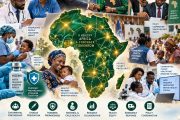
For Africa in particular, in the past 8 years, Canada’s international assistance has increased by 52% along key priority areas such as economic cooperation, peace & security, multilateral engagement, and diaspora ties, which seek to increase mutual benefits, as well as drive economic growth. This partnership is framed on the logic that views Africa as a rising global actor, not just a recipient of aid.
The author is a Professor of International Relations and Strategic Studies