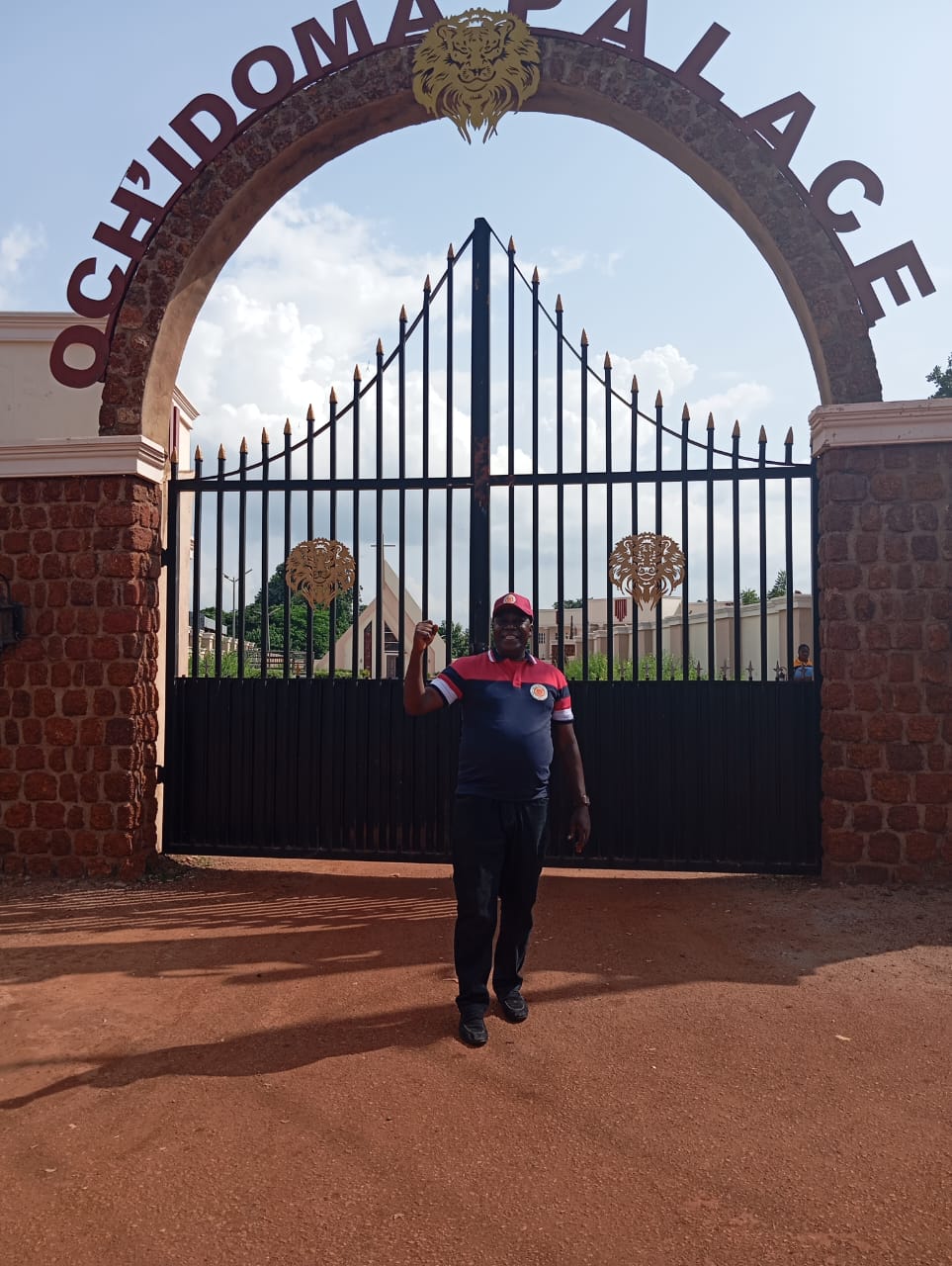
Like every other ethnic minority in the world, the Idoma feel vulnerable. This comes to the fore in their individual and collective selfs, especially now when, for the first time since independency, it has nobody in power with the voice, visibility or control of resources on a national scale. In a polity where ethnic arithmetic predominates, the absent-presence identitarian concern among Idoma is to be expected, that being part of the point about this piece when located in the logic of letting all voices be heard!
By Fred Akpowo Jacob
“Unity remains our greatest strength. Let us speak with one voice to secure our political and economic prosperity.” — Hon. Melvin Ejeh, Agatu Chairman
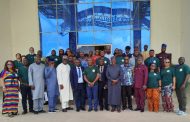
The celebration has ended, but the real work has just begun. On Saturday, July 4, 2026, the Old Parade Ground in Garki, Abuja, witnessed a remarkable transformation. The Federal Capital Territory temporarily surrendered its identity to become a vibrant extension of Idoma land. Thousands of sons and daughters of the Idoma nation, representing Benue South Senatorial District, converged for the historic maiden Idoma Day Abuja celebration, a breathtaking spectacle of identity, unity, and cultural pride that turned the nation’s political heart into a microcosm of Idoma heritage.
The atmosphere was electric. Traditional drums throbbed with ancestral rhythms while the aroma of indigenous delicacies wafted through the air. Attendees, resplendent in the striking black and red colours of the Idoma people, filled the venue with music, dance, and the unmistakable warmth of communal reunion. It was more than a festival; it was a homecoming for a people spread across the nation.
The 2026 celebration was deliberately conceived as a carnival of culture rather than a speech-heavy convention. Community associations from the nine local government areas of Idoma land erected colourful canopies, each proudly showcasing the unique traditions and hospitality of their communities. The result was a living museum of Idoma heritage, where every corner told a story.
The culinary offerings proved to be a major highlight. The famous Okoho soup drew long queues as attendees and non-Idoma guests alike patiently waited for a taste of this iconic dish, served with pounded yam. For many young Idoma people born outside Benue State, the festival served as a vital cultural homecoming, an emotional reconnection with their roots through food, music, and the wisdom of elders.
Key leaders used the platform to emphasize unity as the bedrock of Idoma progress. Prof. Yakubu Ochefu, Global President of Ochetoha K’Idoma, called for sustained commitment to preserving the Idoma language and customs for future generations. Rear Admiral Andy Onoja Odeh (Rtd) and Air Vice Marshal Monday Riku Morgan, (Rtd) echoed these sentiments, stressing the critical role of cultural organisations in promoting cohesion among the Idoma people. The Agatu Chairman, Hon. Melvin Ejeh, captured the collective sentiment when he declared that unity remains the Idoma people’s greatest strength, urging them to speak with one voice to secure political and economic prosperity.
The event also served as a bridge between cultures. The Philippines Consul in Nigeria, Hon. Emmanuel Akpakwu, lauded the massive turnout as a testament to the love and cohesion among the Idoma people in the diaspora, noting that their peaceful disposition remains unchanged regardless of where they reside. His presence underscored the growing international recognition of Idoma cultural significance.
However, the festivities unfolded against a starkly contrasting backdrop. While the Old Parade Ground pulsed with joy, the political and socio-economic reality for the Idoma people back home in Benue State remained deeply troubling.
The vibrancy of the Abuja celebration masks the high level of underdevelopment plaguing Idoma land. While Idoma sons have occupied high national offices, many communities suffer from poor infrastructure, a complete lack of industries, and alarmingly high unemployment rates. The region is also grappling with severe insecurity, marked by killings, displacement, and the seizure of farmlands which is crippling the agricultural backbone of the economy.
This crisis was not confined to Benue. The national mood during the Democracy Day celebrations a few weeks prior was tense. A protest led by Omoyele Sowore in Abuja, demanding better governance and an end to economic hardship, was met with tear gas and a heavy security clampdown. This juxtaposition, the Idoma celebration of unity and the national protest against hardship illustrates the deep-seated frustration with the state of the nation that resonates powerfully with the Idoma plight.
To understand the Idoma Day celebration is to view it through the lens of similar ethnic festivals in Nigeria. Events such as the Ofala Festival (Igbo) and the Durbar (Hausa/Fulani) serve not just to preserve culture, but to leverage diaspora unity for economic leverage. The Idoma Association USA has already shown this path, pledging increased investment in agriculture and security initiatives back home.
These festivals demonstrate that cultural celebrations can be powerful catalysts for development when harnessed strategically. The question for the Idoma people is whether their celebration can follow this trajectory.
While the Abuja celebration successfully showcased cultural identity, the real challenge lies in translating this unity into political and economic capital. The failure to produce a governor is a symptom of deep internal fragmentation. As Godwin Obla noted, Idoma elite have a history of splitting along personal rivalries during elections, weakening their bargaining power and allowing the numerical majority to retain control.
The celebration must evolve into a permanent political consultative forum to build consensus before elections. Cultural unity must find its expression in political discipline.
The diaspora community is a critical asset. Pledges to support agricultural initiatives are commendable, but the Idoma nation needs to move beyond subsistence farming to agro-processing and industrialization. The success of the Idoma Day food stands, particularly the overwhelming demand for Okoho soup, suggests a viable market for packaged Idoma foods.
There is immense potential to create indigenous industries that can employ the youth, tackling the high crime rate often fueled by unemployment. The Idoma nation must look inward to build the economic infrastructure that the state and federal governments have failed to provide.
The event highlighted the divergence between the “Abuja Idoma”, professionals and elite and the realities of the “home Idoma” farmers and displaced families. To bridge this gap, the diaspora and the political class must prioritize accountability.
The demand for an Idoma State is not merely emotional; it is about fair access to federal resources and grassroots development. Leaders must be held accountable for delivering results in security and infrastructure, or face the consequences at the polls.
The Idoma Day Celebration Abuja 2026 was more than a festival; it was a bold statement of resilience. In the face of political marginalization and economic hardship, the Idoma people reaffirmed that their identity remains unshakeable. The event’s success demonstrated the immense potential of a united diaspora ready to reclaim its destiny.
However, for this celebration to lead to tangible change, the unity on display in Abuja must translate into political discipline, economic innovation, and a relentless demand for justice. The Idoma nation must move beyond the rhythm of drums to the rhythm of strategic action.
As the echoes of the drums fade, the Idoma nation must ask itself a critical question: Can the spirit of the Old Parade Ground be carried to the polling booths and the farms of Benue South? The future of Idoma development, and perhaps the creation of Apa State depends on the answer.
The author is an author and a publisher