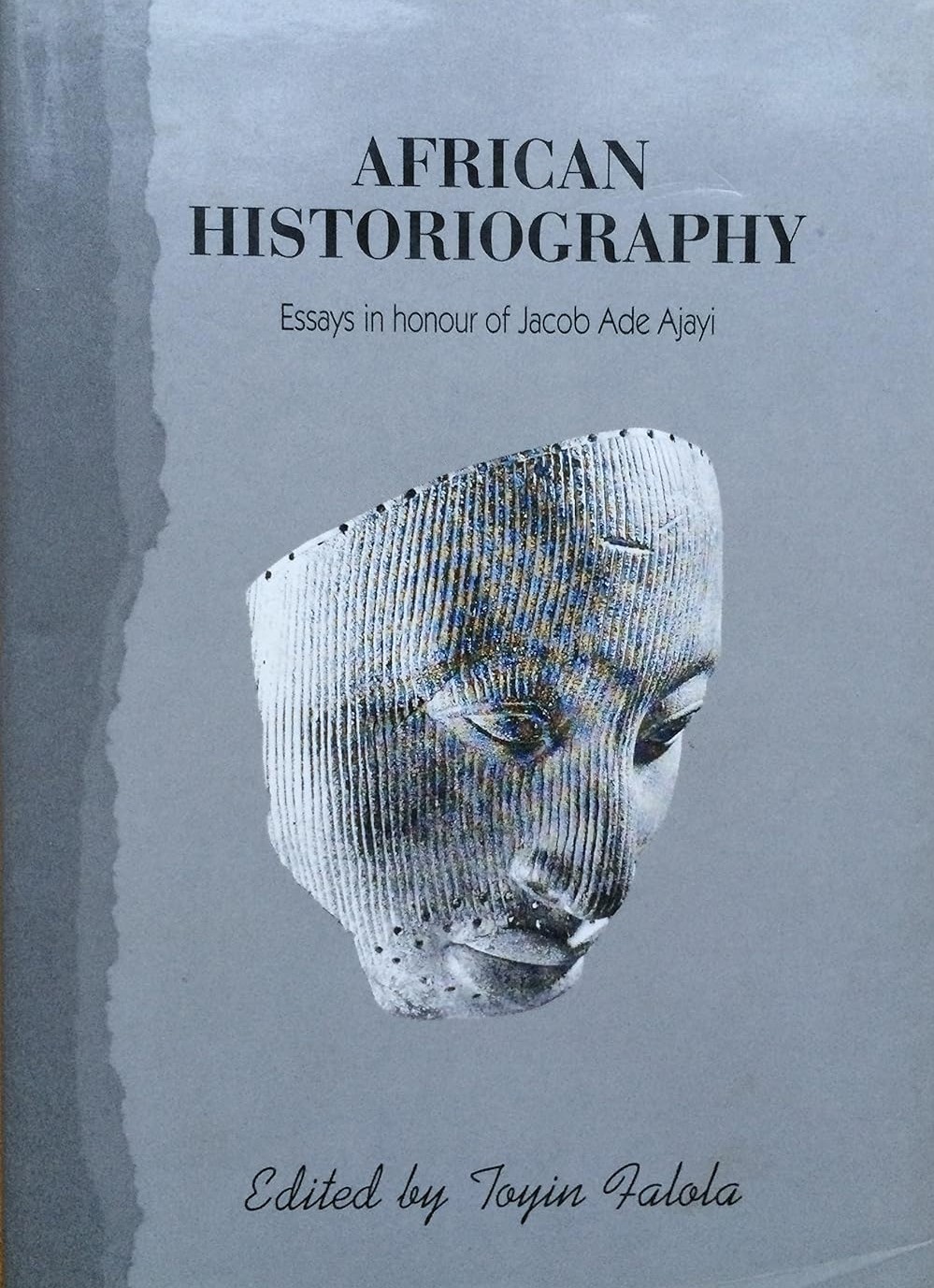
We live in a fragmented world, mending which would require dealing with the past with integrity. Prof Toyin Falola from whom came this weighty historiographical stance says this has to be the case because the past is not behind but part of us.
The University of Texas at Austin Historian told his Veritas University, Abuja audience Monday, April 28th, 2026 that there could be no moral future without critical historical awareness, charging participants at the conference to think beyond the boundaries of their different disciplines in this respect.
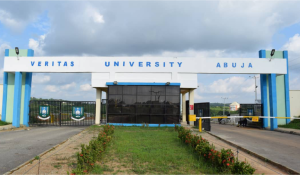 Although Prof Falola was inaudible at some points in the Keynote Theme: Culture, Ethics and the Struggle for Dignity in a Fractured World” he delivered at the first International Conference of the university’s Faculty of Humanities, Intervention heard him noting that current challenges confronting the world are not random and new but the result of old patterns, making the job of those reflecting on the challenges to look at them from what History enables them to define as what it means to be human.
Prof Falola asserted how defining features of a fractured global order such as the war on Iran, migration, technological changes and identity struggles compelled the case for rethinking ethical foundation. We have to rebuild our ethical solidarity, he said, before quickly noting the difficulty of doing so without dialogue, education and institutions.
He categorised ethical responsibility as a global concern in a globalised world in which everyone is connected to everyone else, maintaining that three main global challenges: technology, climate change and ethics of equity are all imposing pressures for which an African perspective of dignity is required. He listed three plausible sources of the African perspective to include indigenous cultural resources, Ubuntu concept and postcolonial lens.
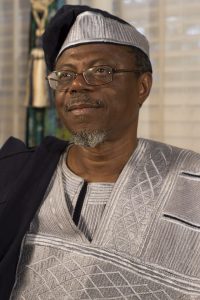
Prof Falola in a previous pix
For take away, Prof Falola’s asked his listeners to note, amongst others, how dignity is not an abstract but lived reality, adding it is beyond a legal framework, for example, but about whether people can eat or are being heard; the futility of discussing ethics, justice and morality without culture, culture being the hub or basis for ethics; the impossibility of any society healing in silence without inclusive dialogue, self-critical dialoguing because “it is through dialogue and debates that we find each other; taking the role of education beyond imparting knowledge down to ethical responsibility and historical awareness, because, otherwise, it could amount to education without wisdom; the ethic of practicing what is preached and how contradictory it could be to preach peace but administer violence, preach good governance but do otherwise or advance the case for development but careless in redistributive justice. For him, there are no options than to be transparent and accountable, calling these ethical imperatives.
Other items Intervention picked from his listing of the take away include the question of who new technology is serving and who it is excluding, saying this is something to look at from an African perspective; the primacy of recognition because every human being wants recognition and acknowledgement. On this, he said dignity is not a trophy which is won and then kept aside but a destination to which everyone strives and in need of constant redefinition and, lastly, the global character of ethical responsibility in a world in which all are connected and in which ethics could not be local but global. According to the high profile Nigerian academic, there is a common thread that will keep running between human beings, no matter the cultural, political and economic walls erected.
Prof Falola hopes these thematic rendition would not only linger but also keep propelling on the obligation to rebuild dignity. He wished Veritas University, Abuja well in its striving as manifest in the event.